


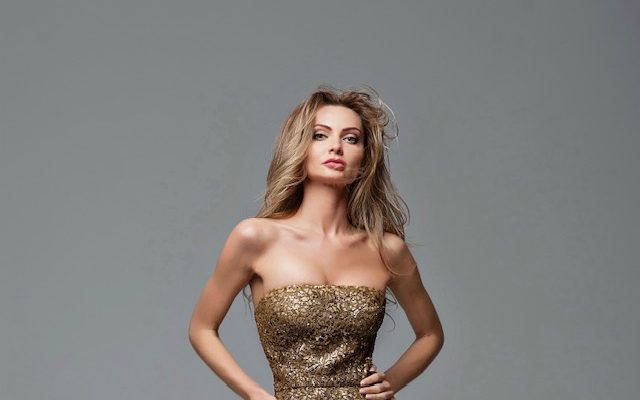

As Sundance approaches, actress, writer, and producer Gia Skova reflects on cinema not as a moment, but as a direction — one shaped by intention, responsibility, and the belief that art can still reach people at their most human place.
Known for her work across film and fashion, Skova has increasingly focused her career on projects guided by meaning rather than momentum. With upcoming work including Christmas Recital, she speaks candidly about legacy, creativity, and why the stories we choose to tell matter now more than ever.
Sundance is often described as more than a festival — as a philosophy or direction for independent cinema. What has Sundance personally represented to you throughout your career?
“Sundance has always represented a deeper purpose to me. It’s important to remember that when something is created, it is created for a reason. The Sundance Film Festival was founded by Robert Redford with an idea that went far beyond screenings or industry recognition. When I truly understood what he built, it deeply resonated with me as an artist. Being a real artist isn’t about where you stand today — whether you’re at the peak of success or just beginning. It’s about having a voice and the ability to reach people’s hearts. That is an extraordinary responsibility and a powerful way to change the world for the better. Creating art doesn’t require enormous budgets or resources — it requires talent, honesty, and the courage to communicate.”

Your recent and upcoming projects feel very intentional. What guides your decision-making now when choosing stories or collaborators?
“It’s easy to feel inspired when you read a great book, walk through a museum, attend a ballet, or simply spend time among people who already live in a state of art. But not everyone does that. People go to the movies — and they will continue to watch films. That is where the responsibility of those who create cinema truly begins.
In film, we don’t see the audience in front of us. We place something inside the story and trust that, through the screen, it will reach someone’s heart. Today, my choices are entirely guided by intention — my own, and the intentions of the people I work with. I don’t choose stories based on speed or impulse, but on depth of meaning. I care about what a project carries, the values it leaves behind, and whether the people involved align not only creatively and ethically, but also on a human level. It feels like finding your people. In art — where we create something from nothing — only that kind of connection can sustain real work. Culture reflects the choices we make. When popularity replaces truth, culture loses depth. Artists have a responsibility not to disappear into noise, but to listen to their hearts. That’s how art renews itself.”
Christmas Recital holds a special place in your current body of work. What initially drew you to this project, and why does it feel important for audiences today?

“Christmas Recital carries a message for everyone — for adults, for children, for anyone who watches. It’s a story about miracles. About the idea that if you truly believe in something, or sincerely want something, you can make it real. On the surface, the film is about saving a small academy on the eve of the holidays. But in truth, it’s not about the academy at all. It’s about human relationships — about those who choose to help, those who soften their hearts, and those who step forward when a miracle is meant to happen. I believe in miracles. I always have. For me, this film is not just a Christmas story. It’s a quiet hope that the audience will awaken faith in their own hearts and carry it into their lives — that something will become possible for them, and that they will find the courage to bring their own dream to life. It doesn’t have to be ballet. It can be anything. What matters is having the courage to begin.”
When you reflect on legacy — not just in cinema, but in life — what kind of impact do you hope your work will have over time?
“I don’t think of legacy as something that comes later. For me, it’s what we choose to create every day. I want my work to shape a culture of care, depth, and humanity. Art has always been a form of leadership. That’s why, when I think about the future, I plan to create an art academy for children — because the future belongs to those who know how to create and, at the same time, care for people. There is no other way.”
As Sundance approaches, what excites you most about the next chapter of your career?
“I look toward the future and it genuinely inspires me. I feel happy — truly happy — because I’m doing what I love. I’m able to create, and I’m creating projects that are alive. Projects I believe in, projects I invest myself in, projects I bring into the world with intention and faith. What excites me most is knowing that there will be people along this path — people I’m deeply grateful for, for their presence and for their contribution to my growth. I’m also grateful to the audience — to those who, I hope, receive a reflection of light through my work and support it simply by being there. This is creation together. It’s an exchange — a shared space of communication at a very high level of art. There are real diamonds in this industry. And I look forward to the right connections — to creating work that gives the audience that same charge, that same feeling of energy and meaning, long after the screen goes dark.”
Featured photo credit: Dimitry Pirozhnikov


